Understanding Ableism: Advocating for Disability Rights
- Documenting Ableism In America

- Dec 27, 2025
- 4 min read
Updated: 1 day ago
Disability rights are a crucial aspect of social justice, yet they often remain overlooked in broader discussions about equality and human rights. Ableism, the discrimination against individuals with disabilities, manifests in various forms, from societal attitudes to institutional barriers. Understanding ableism is essential for advocating effectively for disability rights and creating a more inclusive society. This blog post will explore the concept of ableism, its impact on individuals with disabilities, and actionable steps we can take to advocate for change.
What is Ableism?
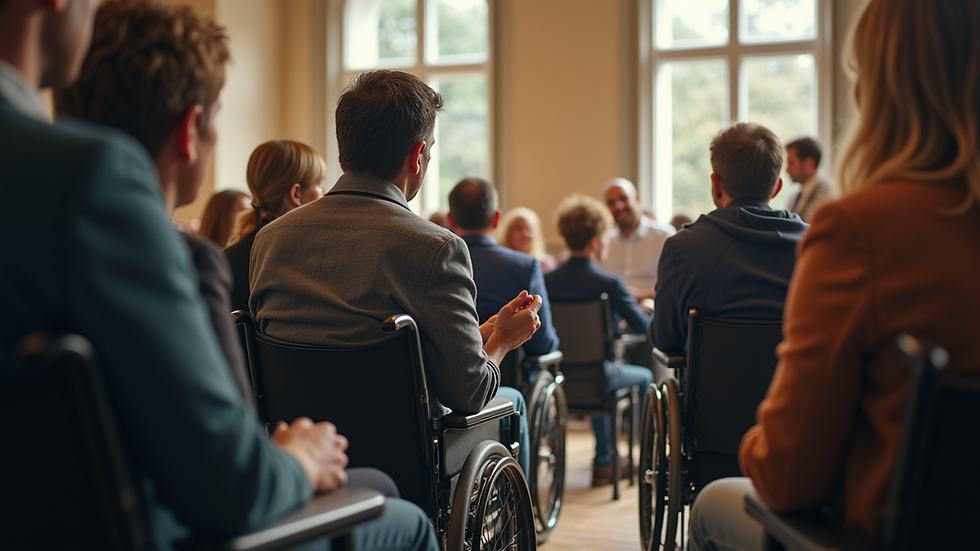
Ableism refers to the discrimination and social prejudice against people with disabilities. It is rooted in the belief that typical abilities are superior, leading to the marginalization of those who do not fit into these norms. This discrimination can be overt, such as derogatory language or exclusion from activities, or subtle, such as assumptions about a person's capabilities based on their disability.
Forms of Ableism
Institutional Ableism: This occurs when organizations or systems create barriers that prevent individuals with disabilities from accessing services or opportunities. For example, a workplace that lacks accommodations for employees with mobility issues exemplifies institutional ableism.
Cultural Ableism: This form is reflected in societal attitudes and beliefs that devalue people with disabilities. Media representations that portray individuals with disabilities as helpless or inspirational can perpetuate harmful stereotypes.
Internalized Ableism: Individuals with disabilities may internalize societal prejudices, leading to feelings of inadequacy or shame about their disability. This can hinder their self-esteem and willingness to advocate for their rights.
The Impact of Ableism
The effects of ableism are profound and far-reaching. Individuals with disabilities often face barriers that limit their opportunities in education, employment, and social participation. Here are some key impacts:
Economic Disparities: People with disabilities are more likely to experience unemployment and poverty. According to the U.S. Bureau of Labor Statistics, the employment rate for individuals with disabilities was only 19.1% in 2020, compared to 66.3% for those without disabilities.
Social Isolation: Ableism can lead to social exclusion, where individuals with disabilities are left out of community activities or social gatherings. This isolation can have detrimental effects on mental health and well-being.
Limited Access to Services: Many public spaces and services are not designed with accessibility in mind. This can include everything from public transportation to healthcare facilities, making it difficult for individuals with disabilities to navigate daily life.
Advocating for Disability Rights
Advocacy is a powerful tool for combating ableism and promoting disability rights. Here are some effective strategies for advocacy:
Educate Yourself and Others
Understanding the nuances of ableism and disability rights is the first step in advocacy. Here are some ways to educate yourself:
Read Books and Articles: Explore literature written by individuals with disabilities to gain insight into their experiences. Books like "Disability Visibility" by Alice Wong provide valuable perspectives.
Attend Workshops and Seminars: Many organizations offer training sessions on disability rights and advocacy. Participating in these events can enhance your understanding and equip you with practical skills.
Engage in Conversations: Discuss disability rights with friends, family, and colleagues. Sharing knowledge can help raise awareness and challenge ableist attitudes.
Support Disability Organizations
Many organizations work tirelessly to advocate for disability rights. Supporting these organizations can amplify their efforts. Here are some ways to get involved:
Volunteer: Offer your time and skills to local disability advocacy groups. This could involve helping with events, fundraising, or providing administrative support.
Donate: Financial contributions can help organizations continue their vital work. Consider making a donation to groups that align with your values.
Participate in Campaigns: Many organizations run campaigns to raise awareness about specific issues affecting individuals with disabilities. Joining these campaigns can help spread the message and mobilize support.
Promote Accessibility
Advocating for accessibility is crucial in dismantling ableism. Here are some practical steps you can take:
Advocate for Inclusive Policies: Whether in your workplace or community, push for policies that promote accessibility. This could include advocating for wheelchair ramps, accessible restrooms, or flexible work arrangements.
Use Inclusive Language: Language matters. Avoid using derogatory terms and instead use person-first language, such as "person with a disability" rather than "disabled person."
Encourage Representation: Support initiatives that promote the representation of individuals with disabilities in media, politics, and leadership roles. Diverse perspectives enrich our communities and challenge stereotypes.
Real-Life Examples of Advocacy
To illustrate the impact of advocacy, let’s look at some real-life examples:
The Disability Rights Movement
The disability rights movement has a rich history of advocacy and activism. One significant milestone was the passage of the Americans with Disabilities Act (ADA) in 1990, which prohibited discrimination against individuals with disabilities in various areas, including employment and public accommodations. This landmark legislation was the result of years of advocacy by individuals and organizations fighting for equal rights.
Local Advocacy Efforts
Many local organizations are making strides in advocating for disability rights. For instance, the Center for Independent Living (CIL) provides resources and support for individuals with disabilities to live independently. Their advocacy efforts have led to improved accessibility in public spaces and increased awareness of disability issues within the community.
The Role of Allies in Disability Advocacy
Allies play a crucial role in advocating for disability rights. As someone without a disability, you can use your privilege to support those who face discrimination. Here are some ways to be an effective ally:
Listen and Learn: Center the voices of individuals with disabilities in discussions about their rights. Listen to their experiences and amplify their messages.
Challenge Ableism: Speak out against ableist comments or actions when you encounter them. This can help create a more inclusive environment for everyone.
Be Open to Feedback: Understand that advocacy is a learning process. Be open to feedback from individuals with disabilities and be willing to adjust your approach as needed.
Conclusion
Understanding ableism is essential for advocating for disability rights and creating a more inclusive society. By educating ourselves, supporting disability organizations, promoting accessibility, and being effective allies, we can work together to dismantle ableism and ensure that individuals with disabilities have equal opportunities and rights.
As we move forward, let’s commit to being advocates for change, challenging ableist attitudes, and supporting the rights of all individuals, regardless of their abilities. Together, we can build a society that values diversity and inclusion, where everyone has the opportunity to thrive.


Comments